
As the days grow shorter, the interior design landscape shifts toward comforting yet sophisticated color palettes. For Autumn/Winter 2026, we see a dramatic rise in deep, rich tones—think organic terracotta, toasted espresso, muted mustard, and bruised plum.
These shades are no longer just flat colors; premium manufacturing now utilizes advanced multi-tonal dyeing techniques to mimic nature's exact transition into the colder months.
Incorporating these warm, moody hues into commercial displays immediately evokes a sense of high-end seasonal luxury that resonates with modern corporate and hospitality buyers.
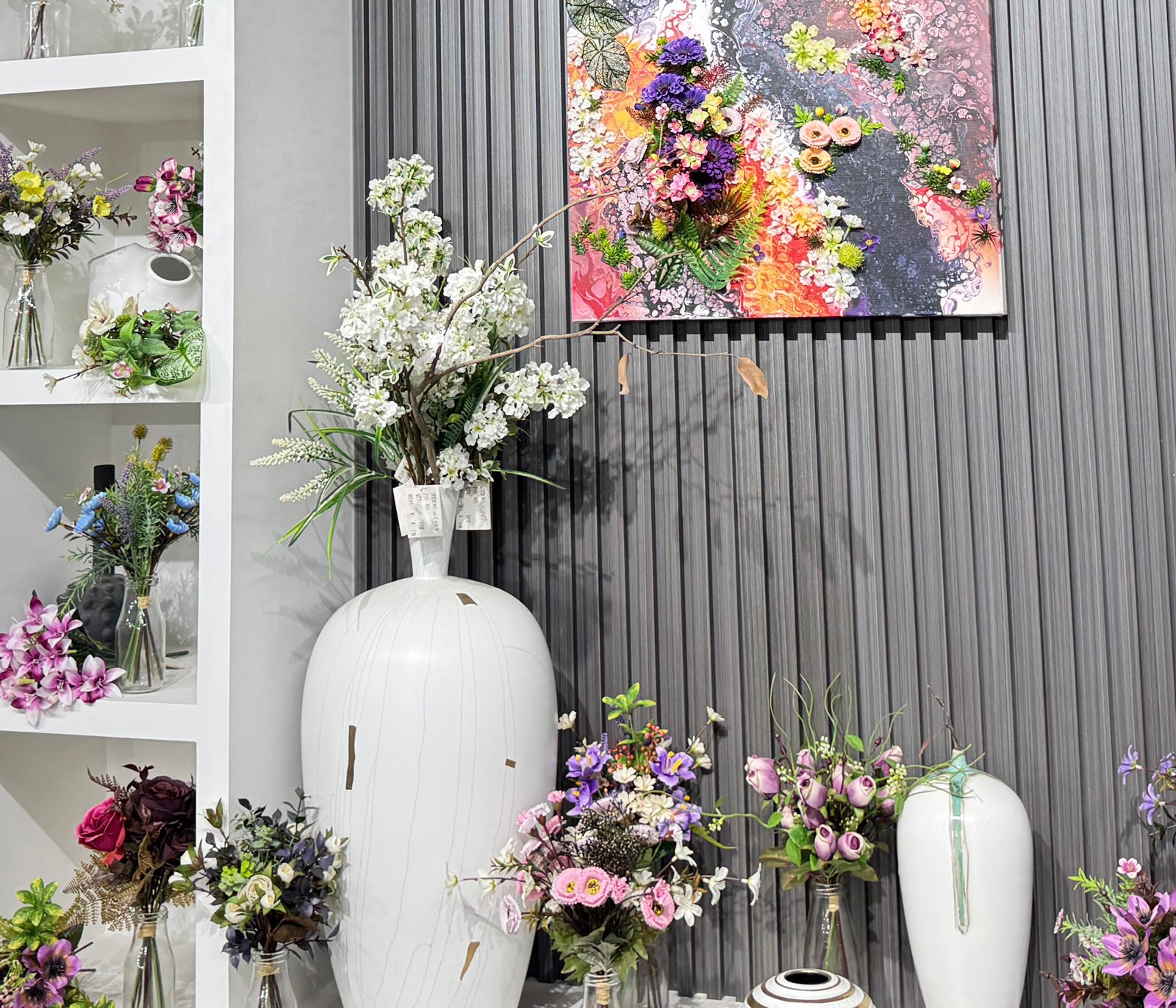
This season, hyper-realism is achieved through texture rather than just visual replication. The line between fresh, preserved, and artificial botanicals continues to blur as "real-touch" technologies and matte coatings dominate the market.
Expect high demand for artificial stems that replicate the delicate, crisp texture of preserved eucalyptus, dried seed pods, and papery autumn leaves.
Discerning global buyers are prioritizing arrangements that offer tactile authenticity, moving away from glossy synthetics toward velvet-like, organic finishes that look impeccably natural under any lighting.
Nostalgia meets contemporary refinement in the revival of classic heritage florals. Oversized heirloom roses, complex multi-petaled dahlias, and antique hydrangeas in deep jewel tones are dominating the international design runway for late 2026.
These traditional varieties are being re-engineered with superior structural integrity, allowing for dramatic, sweeping arrangements. Volume buyers should focus on these stately blooms, as they form the foundational anchors for premium hotel lobbies, upscale retail window displays, and luxury winter event backdrops.
Moving into peak winter, the aesthetic transitions from abundant autumn harvests to striking, structural minimalism. Heavily influenced by high-end East Asian design principles and Nordic simplicity, this trend emphasizes negative space and architectural form.
Faux bare branches, moss-covered twigs, sand-blasted manzanita, and subtle frosted winter berries are becoming essential components. These minimalist elements allow commercial spaces to create sophisticated, low-maintenance installations that feel airy yet impactful, capturing the quiet elegance of winter landscapes.
Sustainability has evolved from a corporate buzzword into a core metric for global procurement. In Autumn/Winter 2026, high-end artificial flowers are defined by their durability and eco-conscious craftsmanship.
Forward-thinking commercial designers are treating premium faux florals as long-term design assets rather than single-use decor. The market shift is firmly toward recyclable substrates and non-toxic, UV-resistant pigments. By investing in masterfully crafted botanicals that maintain their premium allure season after season, commercial enterprises are successfully aligning their aesthetic ambitions with environmental responsibility.